


Low acid canned foods refer to products that have a pH greater than 4.6 and are sealed in airtight containers to ensure long-term preservation. These foods, including canned soups, meats, and vegetables, require careful processing and packaging to maintain safety and prevent bacterial growth. This article explores important definitions, examples, and regulations related to low acid canned foods, as provided by UCC.
1. Key Definitions Related to Low Acid Canned Foods
1.1. Water Activity (aw)
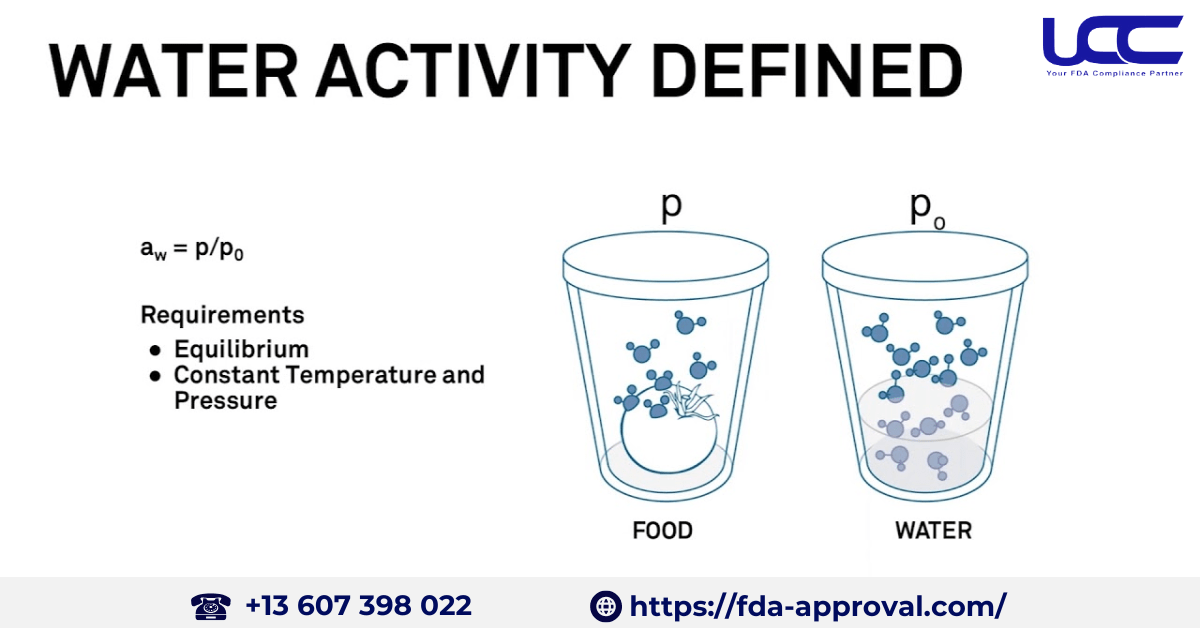
Water activity (aw) reflects the amount of water in food that is accessible for microbial growth. It is the ratio of the vapor pressure of the food in equilibrium with the surrounding air to the vapor pressure of pure water under the same conditions. For example, if the aw is 0.80, the vapor pressure of the food is 80% of that of pure water. Water activity rises as the temperature increases. This factor significantly influences the shelf life and microbial growth of foods. The water activity can be measured as either equilibrium relative humidity (ERH) or as aw, presented in decimal form.
1.2. Finished Equilibrium pH
Finished equilibrium pH refers to the stable pH level of a food product when both solid and liquid components reach the same pH and no further changes occur. After adding acid to low-acid foods (such as in the production of acidified foods), the pH stabilizes. This stable pH is crucial for determining the safety and shelf life of products, especially for foods with low acidity that are acidified. In the case of low acid canned foods, achieving the correct finished equilibrium pH is vital to prevent the growth of harmful microorganisms and ensure long-term preservation.
2. Acidified Foods
2.1. Definition
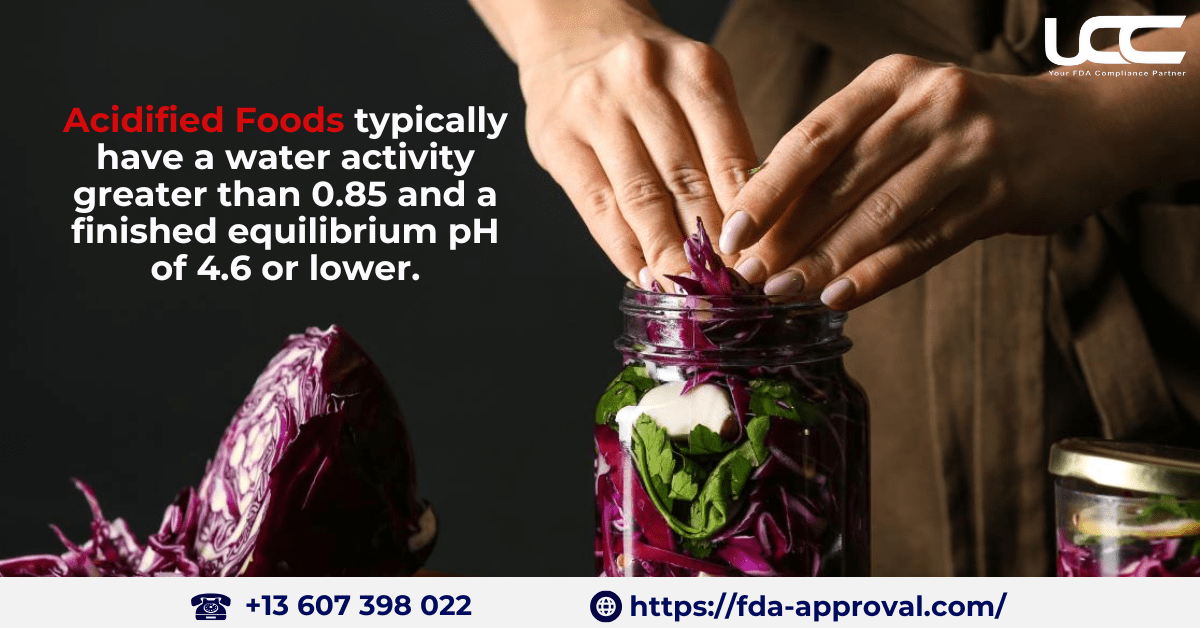
Acidified foods are low-acid foods that have had acid or an acid-containing ingredient added. These foods typically have a water activity greater than 0.85 and a finished equilibrium pH of 4.6 or lower. To create acidified foods, manufacturers add acid, such as citric acid or vinegar, to low-acid ingredients like vegetables or meats, lowering the pH below 4.6. As a result, this process reduces the growth of harmful microorganisms and enhances preservation.
2.2. Examples
Pickled vegetables are classic examples of acidified foods. Vegetables like cucumbers, carrots, or cabbage are soaked in vinegar (acetic acid) or other acids to reduce the pH below 4.6. This process prevents bacterial growth and extends shelf life. Similarly, pickled carrots, vinegar-soaked cabbage, and other acidified vegetables undergo the same pH-lowering process to ensure food safety and preservation.
3. Low Acid Canned Foods
3.1. Definition
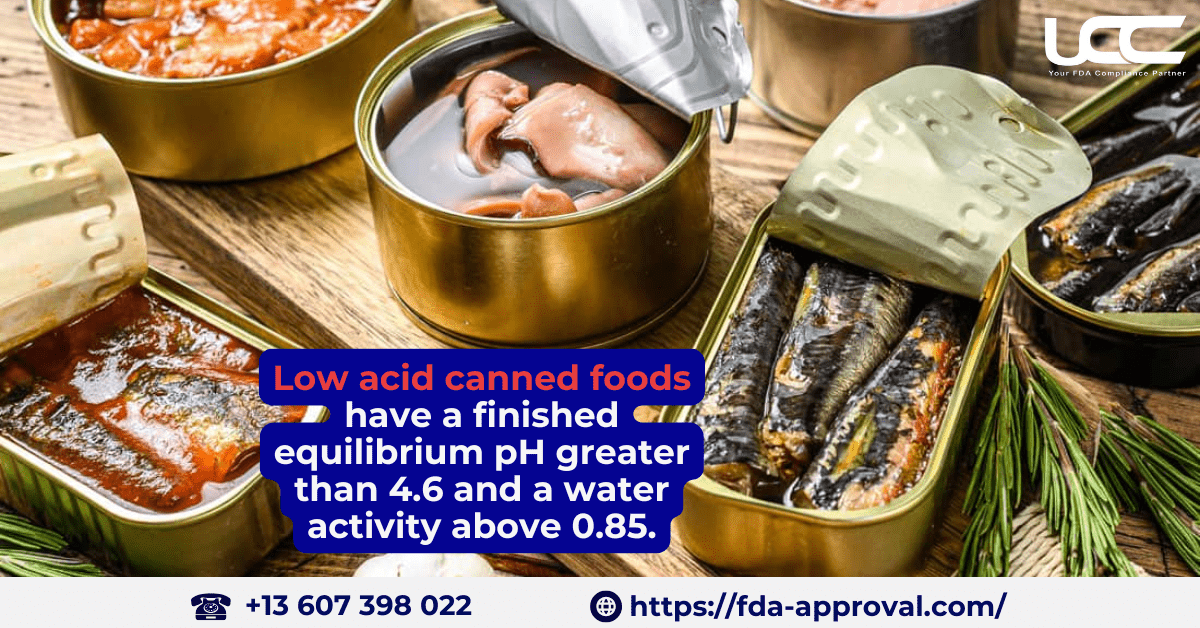
Low acid canned foods have a finished equilibrium pH greater than 4.6 and a water activity above 0.85. These foods include products like canned soups, meats, and vegetables, which manufacturers seal in airtight containers for long-term storage without refrigeration. They typically undergo heat treatment to ensure safety and preservation. Additionally, the pH must remain above 4.6, as this low-acid level does not prevent the growth of harmful bacteria. Therefore, proper processing is essential to maintain food safety.
3.2. Examples
Canned soups are a common example of low acid canned foods. These soups often contain ingredients such as meats, vegetables, and broths, all of which have a pH higher than 4.6. They undergo heat treatment, such as sterilization, to ensure food safety. Other examples include canned meats and vegetables that are preserved without refrigeration, relying on airtight packaging to prevent contamination.
4. Regulations for Low Acid Canned Foods
The FDA has strict regulations for the production and sale of low acid canned foods in the United States. These regulations ensure that these products are safe for consumers and remain free from harmful bacteria. Manufacturers of acidified and low acid canned foods must adhere to the following requirements:
- Registration of Production Facilities: Food processors producing acidified or low acid canned foods must register their facilities with the FDA. This registration allows the FDA to monitor food safety practices and ensure compliance with regulations. At FCE and SID, we can guide you through the registration process to ensure full compliance.
- Submission of Processing Procedures: Food processors must submit detailed production processes to the FDA. These submissions include information about the product type, packaging, processing methods (such as temperature and time), and pH levels. This information helps the FDA evaluate the safety of the processing methods.
- Timely Submission of Processing Schedules: Manufacturers must submit their processing procedures within specified timelines to ensure their products meet safety standards. Failure to comply with these schedules may result in delays in product approval and distribution.
For more information: FDA US Agent – Connecting Businesses to Global Markets
In summary, low acid canned foods are an essential category of preserved foods that require specific processing techniques to ensure safety and extend shelf life. Understanding the concepts of water activity, finished equilibrium pH, and the regulations surrounding these foods is crucial for both producers and consumers. By adhering to FDA guidelines, manufacturers can ensure the safety of low acid canned foods while meeting the demands of the market. For further information or assistance, kindly contact UCC.
